Advanced Neurofeedback & Biofeedback for Nervous System Regulation
Evidence-informed neurotechnology to support emotional stability, cognitive performance, and resilience.
At ION, we use advanced neurofeedback and biofeedback to help the brain and nervous system regulate more effectively. Our personalised approach supports individuals experiencing anxiety, burnout, attention difficulties, sensory sensitivities, and nervous system dysregulation.
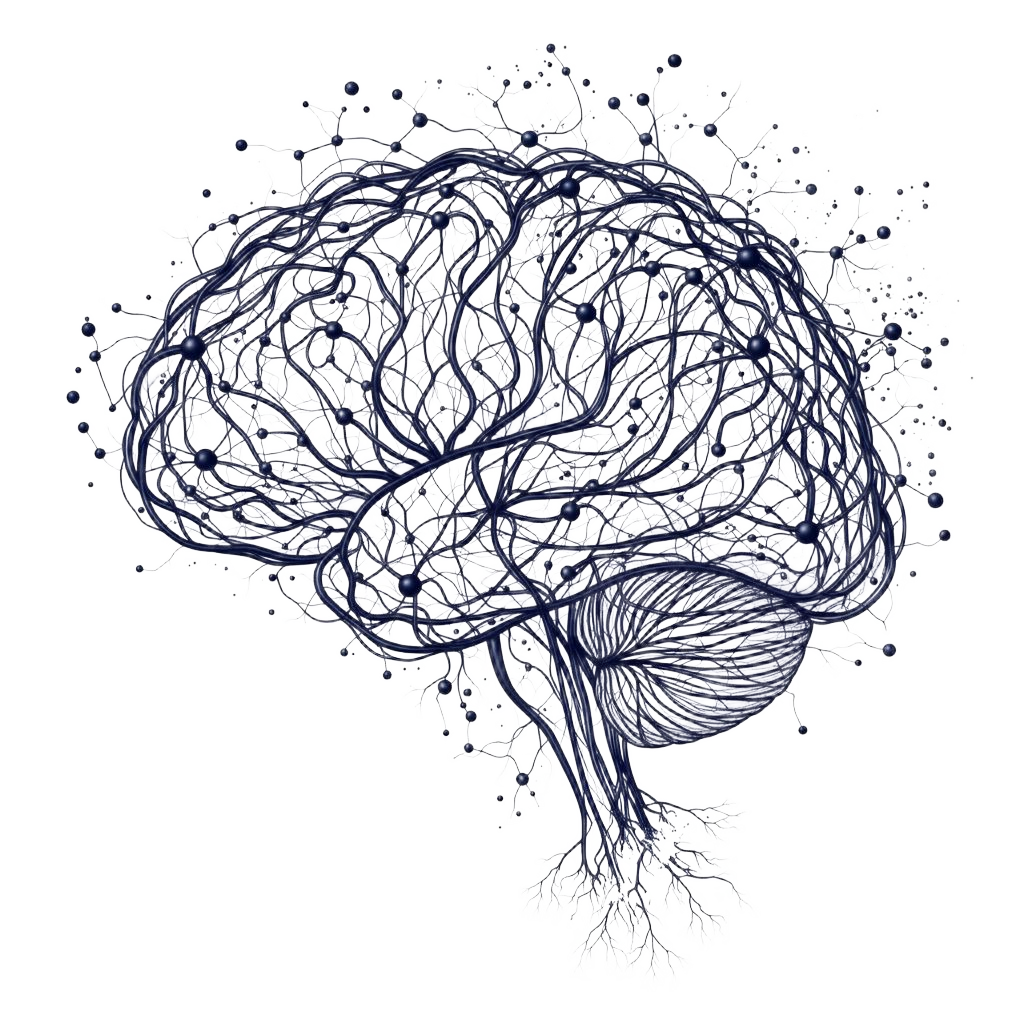
Your brain is constantly adapting. Here's what happens when it becomes dysregulated.
When the Nervous System Struggles to Regulate
Many challenges — from anxiety and burnout to attention difficulties and sensory overwhelm — are linked to how the nervous system regulates itself. When the brain becomes stuck in patterns of hyper-arousal or instability, symptoms can emerge across mood, cognition, energy, sleep, and physical wellbeing.
Neurofeedback supports individuals experiencing:
Chronic anxiety or stress often stem from a nervous system that struggles to maintain balance and stability. From a regulation perspective, these conditions reflect a dysregulation of arousal levels, leading to heightened sensitivity and reactivity as well as many physical symptoms from prolonged fight-or-flight states. With neurofeedback training, we aim to restore the brain's capacity to be at ease, which promotes healthier regulatory mechanisms. This process often results in reduced anxiety levels and improved emotional resilience.
Burnout and emotional exhaustion are indicative of a nervous system being pushed beyond its capacity to regulate effectively. We address this with neurofeedback by training the brain to restore a state of balance and energy regulation, with flexible efficiency for engaging in tasks as well as restorative rest. Our clients frequently experience increased vitality, motivation, and an enhanced ability to be present with their daily lives.
Not all 'disorders of attention' are the same. ADHD and attentional difficulties can be viewed through the lens of nervous system dysregulation, particularly in managing focus, impulse control, and emotional regulation. As one of the first neurodevelopmental conditions to provide evidence of neurofeedback's historical efficacy, training the brain at its foundations have been shown to improve stable attention, and overall self-regulation. As a result, individuals often notice improvements in concentration, reduced impulsivity and frustration, and a better overall quality of life.
Sleep disturbances often arise from an inability to stabilise arousal levels within the nervous system, leading to difficulties in falling asleep, staying asleep, and waking up feeling refreshed. According to the literature, sleep quality is closely linked to brainwave activity and a lack of regulation. Neurofeedback helps to train for nervous system flexibility and transition: promoting a more efficient transition into restful sleep states, and promoting restorative rest. By enhancing the brain's natural ability to regulate sleep cycles, clients frequently report significant improvements in sleep quality, increased energy levels and better cognitive functioning throughout the day.
Those with differences in sensory and information processing disorders often experience sensory oversensitivities or over-responsivity due to a dysregulated nervous system. This can be particularly challenging and distressing for some, due to the fact that we experience the world through our senses. This means that every day experiences can feel overwhelming. We use neurofeedback to help balance the brain's ability to process and respond to information and sensory input, promoting a more adaptive and efficient processing mechanism, reducing overwhelm and overload. Clients commonly report greater comfort and reduced anxiety when navigating sensory-rich environments.
Tourette Syndrome and tic disorders are neurodevelopmental conditions characterised by involuntary movements and vocalisations. These tics can vary in frequency and intensity, often exacerbated by stress or anxiety. Neurofeedback can be an effective tool in managing and reducing symptoms by promoting better self-regulation of arousal and stability. Through targeted training, our clients can improve their ability to regulate their nervous system responses, leading to a reduction in tic frequency and severity, improved emotional regulation, confidence, and enhanced overall functioning.
Mood instabilities, including depression, are often linked to an underlying dysregulation of emotional processing and physiological dysregulation within the nervous system. By training with neurofeedback, we can support the brain in achieving more stable emotional regulation. Clients frequently experience enhanced mood stability, reduced intrusive thoughts, improved emotional control, and a greater sense of overall well-being as they restore balance.
Cognitive fatigue and brain fog can arise from an overstressed nervous system that struggles to maintain optimal functioning. With neurofeedback, we focus on enhancing brain stability, leading to clearer thinking, and improved cognitive performance. Clients typically experience better focus, memory retention, and mental clarity as we continue to train towards regulatory balance.
Chronic pain and fibromyalgia can be seen as manifestations of complex dysregulation within the nervous system. Specifically, according to the literature, the brain can get 'stuck' in patterns that heighten pain sensitivity. Through our work with neurofeedback, we aim to restore a more balanced and stable state to achieve healthier and more flexible brain patterns. Many of our clients often report substantial reductions in pain intensity, and improved functionality in daily activities as their nervous systems learn to regulate.
Seizures were the first neurological disorders to provide evidence of neurofeedback's effectiveness. They represent a lack of foundational stability within the nervous system. From a regulation perspective, neurofeedback aims to train the brain to promote global stability across brain networks, leading to a reduction in seizure frequency, intensity and recovery time. We are delighted to be able to contribute to improved quality of life, allowing those with seizures to move forward with achieving both their personal and professional goals.
Long covid symptoms can reflect a dysregulated nervous system, particularly affecting the autonomic nervous system. This dysregulation can manifest in various ways, including fatigue, difficulty with heart rate regulation, and respiratory difficulties. We use neurofeedback to address these challenges by restoring the stability of autonomic functions such as heart rate variability, blood pressure regulation and overall energy management. As our clients engage in neurofeedback training, many report significant improvements in their symptoms, including enhanced energy levels, better emotional regulation, and overall improvements in quality of life.
Brain injuries can lead to significant instabilities within the nervous system, often resulting in persistent post-concussion symptoms such as headaches, dizziness, and cognitive difficulties. These symptoms are indicative of inefficiencies in brain stability, where the brain struggles to regulate its activity effectively. Research has shown that neurofeedback can be a valuable tool in addressing these challenges. By training to stabilise the brain's activity, this approach promotes better stability and functionality in the brain. Outcomes from both the scientific literature, and from our work with clients, indicate substantial improvements, including reduced headaches and mood swings, enhanced cognitive clarity, and overall better quality of life as their nervous system regains balance.
Dysregulation is not permanent. With the right feedback, your brain can learn to find its way back to balance.
A Personalised Approach to Nervous System Regulation
"Personalised Medicine, a term used mostly in reference to using the individual genome to guide intervention, applies equally to neurofeedback. We are never treating the diagnosis; we are treating its manifestations, or more precisely, the manifestations of early history in this individual nervous system."
— Sebern Fisher, Neurofeedback In The Treatment of Developmental Trauma
ILF Neurofeedback
Neurofeedback is a non-invasive process that helps the brain improve its self-regulation. Infra-Low Frequency Neurofeedback targets the brain's foundational regulatory systems — supporting stability across emotional, cognitive and physiological domains.
Training the foundations of brain regulationFrequency Band Training
Classical neurofeedback involves frequency band training, a non-invasive form of neurofeedback that uses operant conditioning to strengthen specific mental states, such as focus or relaxation. By rewarding your brain for producing healthier EEG patterns, it promotes long-term self-regulation and peak cognitive performance.
Frequency band training: operant conditioning for improved resilienceBiofeedback
Physiological Biofeedback measures and trains signals such as heart rate variability (HRV) to support flexibility, resilience, and regulation of the autonomic system.
HRV guided autonomic regulationFuture Technologies
ION is building towards incorporating additional advanced brain-computer interface technologies in alignment with our values of growth, innovation, and holistic health.
Next-generation brain-computer interfacesScience guides the process. But it's the philosophy behind it that makes the difference.
A Dynamic View of the Brain
At ION, we view the brain as a dynamic regulatory system. Rather than targeting isolated symptoms, our approach focuses on strengthening the brain's capacity for stability, flexibility and resilience.
Regulation First
The brain must stabilise before higher-order change can occur. We prioritise foundational nervous system regulation as the essential first step.
Technology with Clinical Insight
Advanced neurotechnology guided by clinical neuroscience. Every protocol is informed by evidence and tailored to the individual.
Long-Term Brain Health
Training the nervous system to regulate more efficiently and independently — building lasting resilience, not temporary relief.
Meet the Team

Kasia
FOUNDER & CLINICIAN
Benjamin
HEAD OF ENGINEERING
Miriam
RESEARCH & COMMUNITY
Nargess
RESEARCH & PRACTICEJournals
As frontiers in nervous system regulation, we offer a collection of reflections, research insights, and clinical perspectives on brain health and neurofeedback.
The Neurobiology of Selective Mutism: Trauma, Language, and the Social Brain
Selective mutism reframed as a disruption in the integration of emotional and language networks — where heightened limbic activation inhibits the cortical systems necessary for speech and social engagement.
Read here →From Trauma to Transformation: How Early Neurofeedback Pioneers Changed the Way We Think About the Brain
A technique born from repairing damaged brains may hold the key to optimising every brain. Tracing neurofeedback's roots from mid-20th century brain electrical activity studies to modern neurotherapeutics.
Read here →Understanding Brain Injury Through a Glial and Regulatory Lens
Brain injury is not solely a neuronal event — it is a disruption of the brain's regulatory ecosystem, in which glial mechanisms play a central role. Rethinking recovery beyond traditional symptom frameworks.
Read here →Tailored Programs
Each program is built around a specific goal — designed to guide your nervous system toward the regulation, resilience, or performance you are seeking.
Insomnia Reset
Description
Restore the regulatory rhythms that precede deep, restorative sleep — a targeted protocol for nervous systems that have lost the ability to wind down.
- Initial clinical consultation
- Tailored neurofeedback protocol
- 1:1 sessions with a specialist clinician
- Progress review & reporting
Commercial Peak Performance
Description
For leaders, founders, and high-stakes decision-makers. Sharpen executive function, sustain focus under pressure, and build the nervous system capacity consequential thinking requires.
- Initial clinical consultation
- Tailored neurofeedback protocol
- 1:1 sessions with a specialist clinician
- Progress review & reporting
Athletic Peak Performance
Description
Train the regulatory systems behind elite output. Improve recovery, emotional composure under competition, and the fine-tuned control that separates consistent performance from its edges.
- Initial clinical consultation
- Tailored neurofeedback protocol
- 1:1 sessions with a specialist clinician
- Progress review & reporting
Regulation Revival
Description
Return the nervous system to a state of trust. A compassionate, evidence-informed program for those navigating chronic anxiety, hyperarousal, or the aftermath of sustained stress.
- Initial clinical consultation
- Tailored neurofeedback protocol
- 1:1 sessions with a specialist clinician
- Progress review & reporting
Book a Consultation
If you are interested in neurofeedback training, or would like to discuss whether it may be appropriate for you or a loved one, schedule an initial consultation below.
Edinburgh, EH10 4HW
Complimentary Consultation — 30 minutes
Your consultation is an opportunity for us to hear your story — to understand your struggles, your current environment, and what brought you here. We'll walk you through how neurofeedback works, answer any questions you may have, and give you the chance to see the space where your training would take place.